Article 4: The science of neuroplasticity after stroke
Estimated reading time: 5 minutes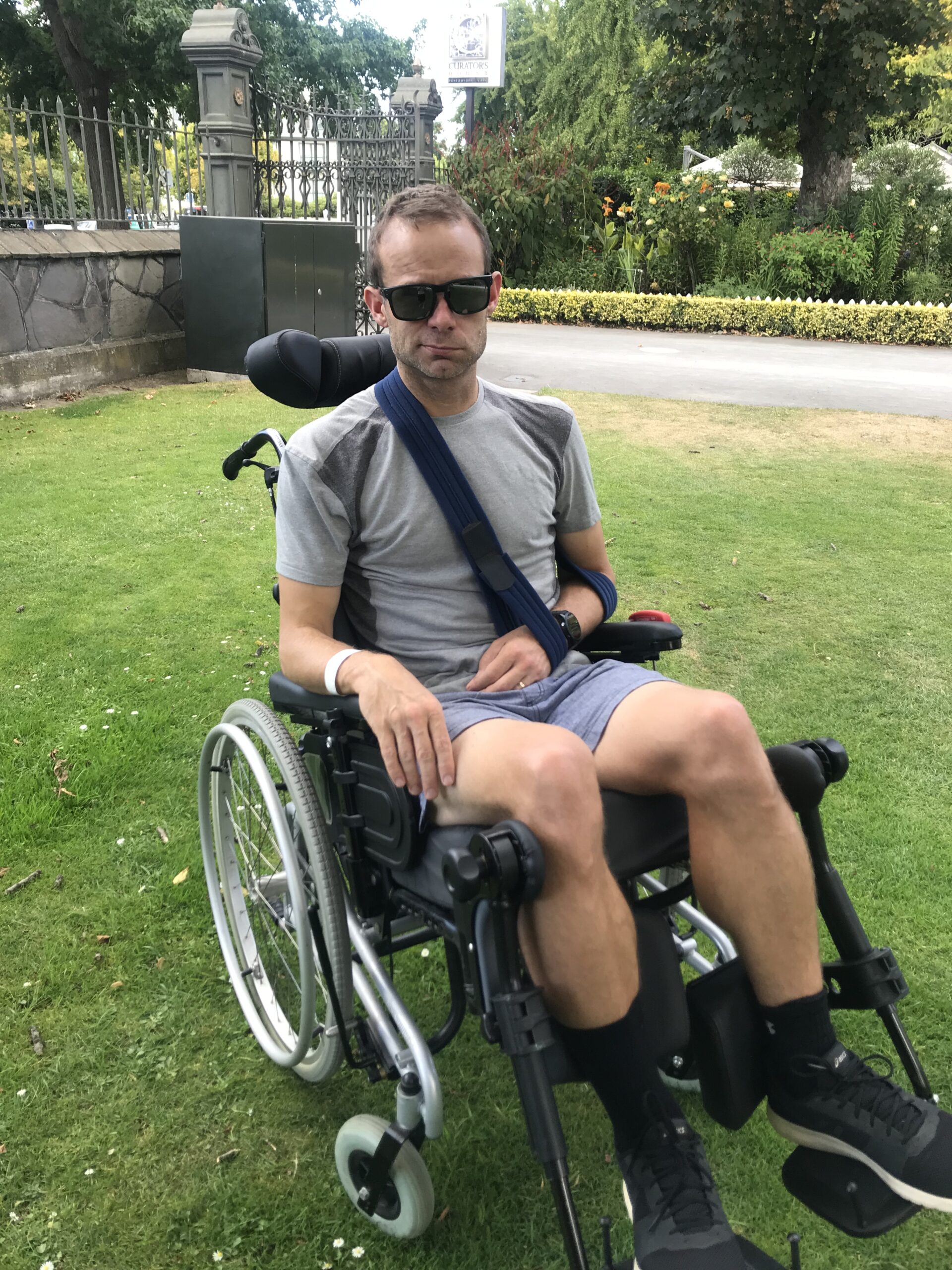
Article Summary:
This article translates complex neuroscience into a practical, empowering message for stroke survivors:
Recovery is not time-limited; it is driven by neuroplasticity, which remains active for life.
It challenges outdated beliefs that recovery plateaus after six months and replaces them with a more accurate, evidence-based understanding:
The brain can rewire at any stage when given the right stimulus, repetition, and conditions.
This principle sits at the core of the Rewired Runner model.
About the Author
Mark Ford is a stroke survivor who turned ultramarathon runner and is the founder of Rewired Runner. He helps survivors rebuild belief, energy, and purpose through movement.
Important Safety Note
This article shares lived experience supported by research, but it is not medical advice. Stroke recovery and mental health responses vary widely. If you’re experiencing persistent low mood, panic, trauma symptoms, or thoughts of self-harm, please reach out to a qualified clinician or crisis support in your country.
Introduction: Why neuroplasticity changes everything
For decades, stroke survivors were told recovery stops after six months. Neuroscience now proves something far more powerful: The brain can rewire itself at any age, even years after a stroke. Neuroplasticity is lifelong. It doesn’t disappear. It just needs the right conditions.
Section 1: What is neuroplasticity?
Neuroplasticity is the brain’s ability to change its structure and function based on what we do repeatedly. After a stroke damages part of the brain, other regions can adapt and take over lost functions like movement, speech, memory, and even emotional control.
Section 2: Why neuroplasticity matters
Recovery is not about waiting. Recovery happens when surviving neurons reorganise and take over lost roles. This is why people can regain movement months or years later, speech can improve with training, thinking and memory can sharpen through practice, and fatigue and clarity can improve through movement.
Section 3: How neuroplasticity works (the rules)
The brain rewires based on activity. What you do repeatedly is what it learns. Scientists call this activity-dependent plasticity.
Neurons that ‘fire together, wire together.’ The more signals travel a path, the stronger that path becomes.
Section 4: Why exercise speeds up recovery
Aerobic exercise raises BDNF (Brain-Derived Neurotrophic Factor), a chemical that protects neurons and helps them grow new connections. It also increases blood flow and oxygen to the brain, fuel for neuroplasticity.
Section 5: How to train neuroplasticity (safe and simple)
Here’s a framework that works: The 3×20 Rule: Do 3 focused 20-minute blocks each day: movement practice, aerobic stimulation, brain practice. Mini Plasticity Bursts for fatigue: 5 min training, 2 min rest, repeat 4–6 times. Combine brain + body: walk + talk, leg steps + word recall, hand task + countdowns.
Section 6: Safety first
Exercise can increase blood pressure. For some survivors, this may raise stroke risk if unmanaged. Always get medical clearance, train progressively, stop if dizziness or severe symptoms occur, and track BP if hypertensive.
Section 7: Final message
Neuroplasticity is not magic. It’s mechanics. It’s biology responding to effort. You’re not ‘stuck.’ You’re trainable. Thousands of tiny efforts got me from rehab to running ultramarathons. Not one giant breakthrough. Just consistent rewiring.
Support Us:
If you found value here, consider clicking the (Support Us button on the website), which is linked to “Buy Me a Coffee”, to make a small donation. This donation will help us to continue creating practical recovery resources.
References: (simplified, policy-aligned)
Kleim & Jones, Principles of Experience-Dependent Neural Plasticity
Nudo RJ, Motor recovery after stroke
Ahlskog et al., Physical Exercise as Preventive Neurology, Mayo Clinic
Boyd & Winstein, Neuroplasticity in Motor Learning
Disclaimer:
Medical Disclaimer
The content on this channel is for informational and motivational purposes only and should not be considered medical, therapeutic, or professional advice. I am not a licensed healthcare provider. Always consult your physician or a qualified health professional before starting or modifying any rehabilitation program, exercise routine, medication, or lifestyle change.
Personal Experience
Everything shared here stories, drills, opinions, and training methods comes from my personal stroke-recovery journey and individual learnings. Your situation, risks, and capabilities may differ.
Organisational Independence
I currently serve as an independent director and/or volunteer with several organisations (including St George’s Hospital and the Stroke Foundation).
All views expressed on this channel are strictly my own and do not represent, endorse, or reflect the positions of any organisation I am affiliated with.
No Liability
While I strive to present accurate, up-to-date information, I make no warranties or guarantees, express or implied about the completeness, reliability, or applicability of the content. Your use of any information provided is strictly at your own risk. I accept no responsibility for injury, loss, or damage that may result.
Affiliate & Sponsorship Note
From time to time, this channel may mention or link to products or services. If an affiliate link is used, I may earn a small commission at no extra cost to you. I only mention resources I genuinely believe can help the recovery community.
Emergency Disclaimer
If you think you are experiencing a medical emergency, call your local emergency number immediately. Do not rely on videos or online content for urgent medical care.