Article 12: Exercise: My greatest recovery tool
Estimated reading time: 7 minutes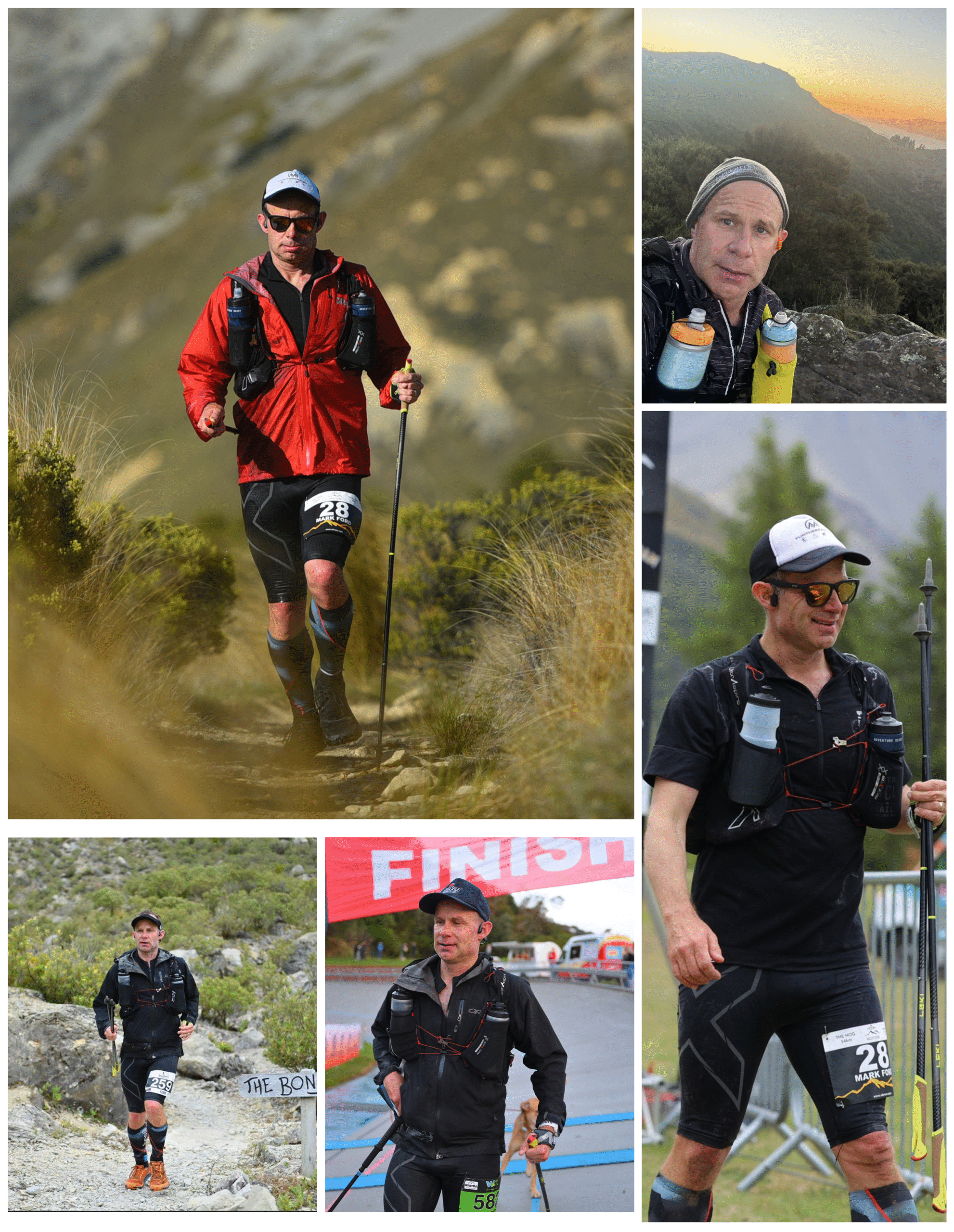
Article Summary
This article positions exercise not as a supplementary activity, but as the most powerful and consistent tool for rebuilding the brain, body, and identity after stroke. It reframes recovery from a passive process into an active, movement-driven system of neurological and functional improvement.
It reinforces a central principle of the Rewired Runner philosophy.
Movement is the engine of recovery, driving clarity, energy, speech, and identity.
About the Author
Mark Ford is a stroke survivor who turned ultramarathon runner and is the founder of Rewired Runner. He helps survivors rebuild belief, energy, and purpose through movement.
Important Safety Note
This article shares lived experience supported by research, but it is not medical advice. Stroke recovery and mental health responses vary widely. If you’re experiencing persistent low mood, panic, trauma symptoms, or thoughts of self-harm, please reach out to a qualified clinician or crisis support in your country.
Introduction:
After my stroke, I wasn’t searching for fitness; I was searching for my life back. I wanted clarity. I wanted energy. I wanted my words again. My voice. My movement. My thinking. My identity.
What I didn’t expect was this: exercise became the single most powerful tool in my recovery. Before, I could speak fluently again. Before, I could think clearly again. Before, I could run again. Movement reopened my system and rewired my brain
Section 1: I started when I felt slow, broken and exhausted
When I left the hospital, I was nowhere near “recovered.” My nervous system felt scrambled. Words took effort. Everything was slower. Fatigue crushed me relentlessly; a shower could send me back to bed.
But something stood out early: on days I moved, I felt different. Even a five-minute walk sharpened my thoughts. My speech felt slightly clearer. My brain felt awake, even if only for a short time. It wasn’t motivation, it was biology. Movement switched my brain on.
I didn’t start with training. I started with rhythm: 5 minutes walking, then 6, then 10, twice a day, hills later, strength and running much later. The lesson? Recovery didn’t begin when I felt strong, it began when I moved anyway.
Section 2: Movement clears the fog
After a stroke, it can feel like your mental world has slowed down. Thinking takes energy. Conversations take effort. Fatigue isn’t tiredness; it’s neurological overload. Movement didn’t drain my energy; movement created energy. Even early on, walking improved my focus and steadied me emotionally. My nervous system responded to movement. (Why this matters: light to moderate movement increases blood flow to the brain and stimulates neurochemicals linked to alertness and clarity.)
The science caught up with my experience:
Increases BDNF, helps the brain rewire and form new neural connections.
Improves cerebral blood flow, boosts cognitive function and alertness.
Raises dopamine and serotonin, reduces post‑stroke depression and emotional volatility.
Reduces post‑stroke fatigue, structured aerobic training improves energy in many survivors.
Improves speech clarity, supports respiratory‑phonatory coordination and motor control.
“Movement was the first place I found hope—not in thoughts, in action.”
Section 3: From fatigue and frustration to energy and control
Post‑stroke fatigue nearly broke me. I could go from feeling okay to completely empty in minutes. I learned there are two types of fatigue:
Destructive fatigue: it comes from doing nothing or random overload; it weakens the system.
Productive fatigue: controlled movement and intentional effort; it builds energy.
Movement gave me power over fatigue. Not every day was a win, but every time I moved, my system adapted.
Section 4: The exercise speech connection
On days I exercised, my speech improved. My voice flowed. I could find words faster. My articulation was sharper. Why? Exercise improves blood flow to speech‑related regions, reduces mental fatigue, improves breathing rhythm, and increases motor coordination. It wasn’t motivational fluff; it was neuroscience in motion.
Section 5: Movement rebuilt my identity
Movement is the language of the nervous system, and repetition is how we speak it. Recovery wasn’t about intensity. It was about repetition, rhythm, and consistency. Neuroplasticity doesn’t reward big efforts; it rewards regular ones.
Section 6: Train for lift, not just rehab
Years later, people asked me: “When did your recovery end?” The answer: it didn’t.
Recovery evolves. Movement isn’t something I did to “get back”, movement is how I live now.
After months of walking came slow jogging. After jogging came running. Six days after my PFO closure, I went for my first careful 2–3 km run, with clearance. That was the day I stopped waiting to feel like myself again and started building myself again.
Eventually, I set a mission: three 100 km ultramarathons in seven months to raise stroke awareness. Not to be superhuman. To prove that consistent movement can build, even after neurological injury.
Safety Matters, Intelligent Training Only:
- Exercise can raise blood pressure.
- High blood pressure is the #1 cause of stroke.
- Movement must be done safely, not recklessly.
- Safe does not mean soft. Safe means smart.
My Rules:
- Medical clearance first
- Gradual progression
- One variable at a time (distance OR speed OR incline)
- Train with control and rhythm; rest on purpose
- Monitor BP if at risk.
Rewired Training Principles:
- Start small, build neurological tolerance.
- Consistency beats intensity repetition rewires.
- Form before force, protect movement quality.
- Rest is training, prevent nervous system overload.
- Identity before motivation, move daily, no negotiation.
Section 7: Final Message
If you’re lost after a stroke, start with movement. Not because it’s easy, and not because it’s magic. Because compounding effort rebuilds your brain, your energy, and your confidence.
You don’t need intensity.
You don’t need perfect.
You just need to begin.
Start today, with five minutes.
Support Us:
If you found value here, consider clicking the (Support Us button on the website), which is linked to “Buy Me a Coffee”, to make a small donation. This donation will help us to continue creating practical recovery resources.
References: (simplified, policy-aligned)
Aerobic exercise improves brain blood flow and cognitive performance after stroke – Stroke Rehabilitation Journal
Exercise‑induced BDNF promotes neuroplasticity – NIH Neurobiology Review
AHA/ASA Post‑Stroke Exercise Guidelines
Exercise improves mood and emotional recovery post‑stroke, Lancet Psychiatry
Post‑stroke fatigue reductions through structured aerobic training, Stroke Trials Review
Respiratory‑phonatory coordination in Speech Recovery, NeuroRehab Journal
Additional Disclaimer:
Medical Disclaimer
The content on this channel is for informational and motivational purposes only and should not be considered medical, therapeutic, or professional advice. I am not a licensed healthcare provider. Always consult your physician or a qualified health professional before starting or modifying any rehabilitation program, exercise routine, medication, or lifestyle change.
Personal Experience
Everything shared here stories, drills, opinions, and training methods comes from my personal stroke-recovery journey and individual learnings. Your situation, risks, and capabilities may differ.
Organisational Independence
I currently serve as an independent director and/or volunteer with several organisations (including St George’s Hospital and the Stroke Foundation).
All views expressed on this channel are strictly my own and do not represent, endorse, or reflect the positions of any organisation I am affiliated with.
No Liability
While I strive to present accurate, up-to-date information, I make no warranties or guarantees, express or implied about the completeness, reliability, or applicability of the content. Your use of any information provided is strictly at your own risk. I accept no responsibility for injury, loss, or damage that may result.
Affiliate & Sponsorship Note
From time to time, this channel may mention or link to products or services. If an affiliate link is used, I may earn a small commission at no extra cost to you. I only mention resources I genuinely believe can help the recovery community.
Emergency Disclaimer
If you think you are experiencing a medical emergency, call your local emergency number immediately. Do not rely on videos or online content for urgent medical care.