Article 1: Recovery mindset: How I rebuilt belief, discipline and direction after stroke
Estimated reading time: 7 minutes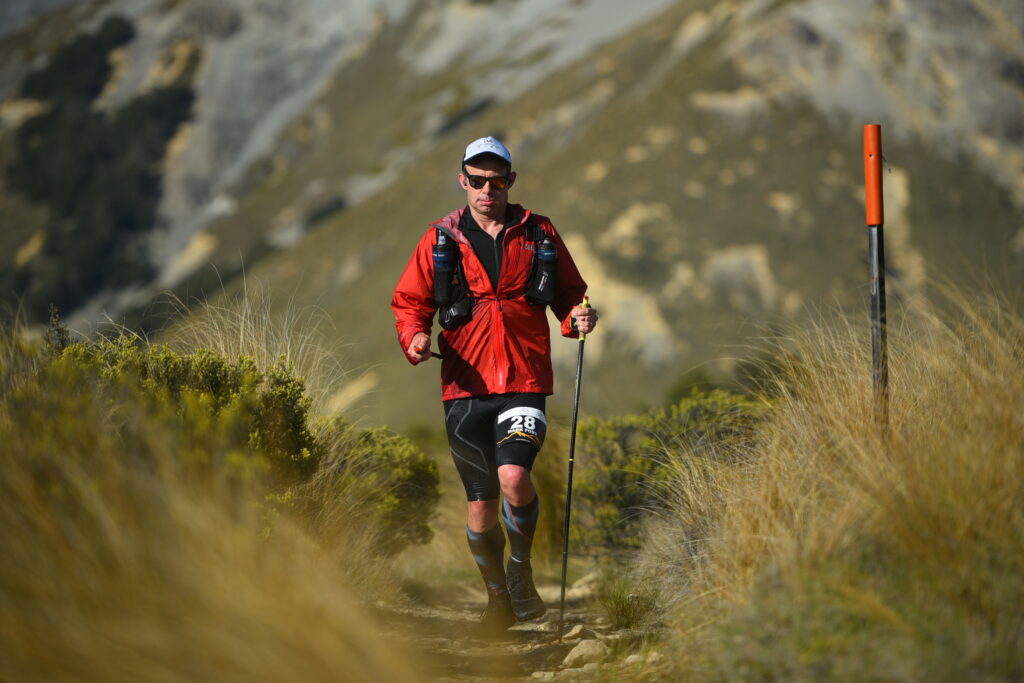
About the Author
Mark Ford is a stroke survivor who turned ultramarathon runner and is the founder of Rewired Runner. He helps survivors rebuild belief, energy, and purpose through movement.
Important Safety Note
This article shares lived experience supported by research, but it is not medical advice. Stroke recovery and mental health responses vary widely. If you’re experiencing persistent low mood, panic, trauma symptoms, or thoughts of self-harm, please reach out to a qualified clinician or crisis support in your country.
Introduction
Mindset is a Skill, Not a Feeling:
Recovery didn’t begin with movement. It began with a mindset, not positive thinking, not empty motivation, but a decision to do the work no matter how I felt. Mindset isn’t discovered after a stroke it is built.
Progress Is Not Linear:
Recovery comes in waves, progress, plateaus, setbacks, and breakthroughs. Progress is created by repetition, even when it isn’t yet visible. The nervous system often changes beneath the surface before improvements appear.
Why this matters for stroke survivors: your best gains can arrive after consolidation, keep showing up.
The 1% Rule:
Improvement comes from consistent, repeatable wins, one clean rep, one better step, one extra articulation drill. Small, task‑specific practice provides a clear signal for neuroplastic change.
Section 1: Discipline over motivation
Motivation is emotional. Discipline is deliberate. Systems beat emotion, daily basics, warm-ups, and non‑negotiable habits sustain recovery. Structure reduces cognitive load, so more energy is available for the task at hand.
Consistency Builds Belief.
Belief doesn’t come before action; it is earned through action. Start first. Let small successes build proof; proof builds belief; belief builds momentum. Successful repetitions update the brain’s predictions (“this is possible”), strengthening self‑efficacy over time.
Story – Rebuilding Confidence Through Action.
After failing my driving simulator test, I could have accepted that result. Instead, I borrowed my brother’s PlayStation and trained for weeks using Gran Turismo and a driving wheel to rebuild reaction timing and divided attention. I passed the driving test three months later. That didn’t happen because I ‘felt positive’, it happened because I took action before I believed. Action → Progress → Belief → Momentum.
Hope Is a Strategy.
People get through hard times not because they’re lucky, but because they believe effort can build a better future. Hope isn’t passive; it is constructed through consistent work and small wins that compound into confidence.
“You don’t wait for a strong mindset. You build one.”
Section 2: Live in the now: Protect your cognitive energy: Why your brain feels overloaded after a stroke.
After a stroke, the brain reroutes signals around damaged pathways. Surviving regions work harder to compensate, increasing energy use per task. That extra neural effort causes cognitive fatigue and slower thinking a normal part of rebuilding.
Why this matters for stroke survivors: you’re not weak, your brain is working overtime to rewire. Protect your energy for high‑value work.
Don’t Waste Energy on the Past or the Future.
Thinking energy is limited after a stroke. Rumination over the past (“Why me?”) and fear of the future (“Will I work or speak well again?”) burn energy and change nothing. Recovery happens here, now, not yesterday or tomorrow. Focus on what you can influence today: the next 10 minutes, the next deliberate rep, the next calm breath.
My Mantra: “It is what it is. It will be what it will be. I am here now.”
Rest as a Weapon.
Rest isn’t weakness: it is neurological load management. Deep rest and sleep support consolidation of learning and protect movement quality from degrading.
Training Attention.
I intentionally placed objects on my left side to retrain awareness. Attention is trainable: where attention goes, the body follows. Deliberate cueing and left‑side placement are standard strategies used to improve spatial attention after stroke.
“Victory lives in the present moment. If you lose the moment, you lose the day.”
Section 3: Build forward, not backward, belief follows action
Most people wait for belief to arrive before they act. Recovery works in reverse: move first, then let evidence grow belief. Start → Prove → Believe → Repeat. Confidence is built, not found.
Identity Creates Effort:
I stopped chasing the old me and chose identities worth effort: present father, dependable professional, runner again. Identity gives work meaning; meaning sustains consistency.
From First Steps to Ultramarathons:
After PFO closure in May 2019, running restarted slowly, short, careful sessions that prioritised form and recovery. Over time, two kilometres became trail days, and trail days became mountains. Later, I set a mission: three 100 km ultramarathons in seven months to raise stroke awareness, proof that a comeback is built.
Recovery Mindset Toolkit:
1: Progress isn’t linear – expect waves and keep working.
2: 1% rule – win small, repeat often.
3: Discipline over motivation – systems carry progress.
4: Live in the present – protect energy.
5: Consistency builds belief – action before confidence.
6: Hope is a strategy – future pull matters.
7: Build forward – identity shapes direction.
“Belief doesn’t come before action, action builds belief.”
Support Us:
If you found value here, consider clicking the (Support Us button on the website), which is linked to “Buy Me a Coffee”, to make a small donation. This donation will help us to continue creating practical recovery resources.
References: (simplified, policy-aligned)
AHA/ASA scientific statements on post‑stroke rehabilitation and task‑specific, high‑repetition practice.
Behavioural science on habit formation, routines, and reduced cognitive load supporting adherence in recovery.
Self‑efficacy and prediction‑error frameworks showing confidence grows after successful repetitions.
NIH and rehabilitation literature on cognitive fatigue and compensatory neural effort post‑stroke.
Sleep and deep‑rest reviews on consolidation of motor learning and memory.
Stroke rehabilitation resources on spatial neglect, attentional cueing, and left‑side placement strategies.
Disclaimer:
Medical Disclaimer
The content on this channel is for informational and motivational purposes only and should not be considered medical, therapeutic, or professional advice. I am not a licensed healthcare provider. Always consult your physician or a qualified health professional before starting or modifying any rehabilitation program, exercise routine, medication, or lifestyle change.
Personal Experience
Everything shared here stories, drills, opinions, and training methods comes from my personal stroke-recovery journey and individual learnings. Your situation, risks, and capabilities may differ.
Organisational Independence
I currently serve as an independent director and/or volunteer with several organisations (including St George’s Hospital and the Stroke Foundation).
All views expressed on this channel are strictly my own and do not represent, endorse, or reflect the positions of any organisation I am affiliated with.
No Liability
While I strive to present accurate, up-to-date information, I make no warranties or guarantees, express or implied about the completeness, reliability, or applicability of the content. Your use of any information provided is strictly at your own risk. I accept no responsibility for injury, loss, or damage that may result.
Affiliate & Sponsorship Note
From time to time, this channel may mention or link to products or services. If an affiliate link is used, I may earn a small commission at no extra cost to you. I only mention resources I genuinely believe can help the recovery community.
Emergency Disclaimer
If you think you are experiencing a medical emergency, call your local emergency number immediately. Do not rely on videos or online content for urgent medical care.