Article 15: Nutrition and brain recovery
Estimated reading time: 7 minutes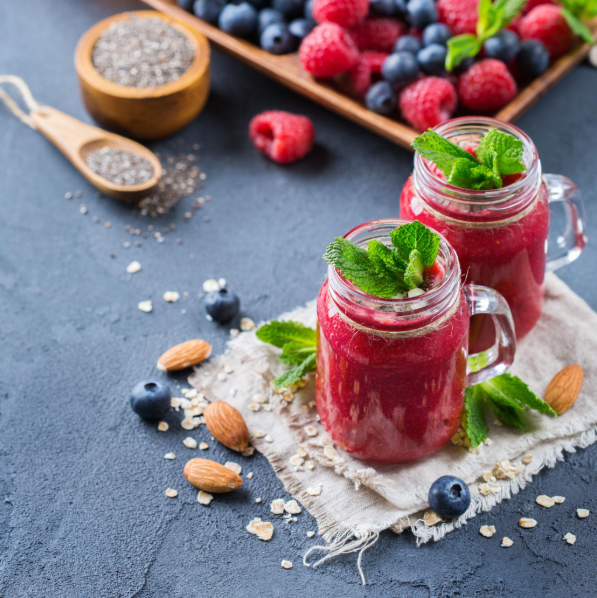
Article Summary
This article positions nutrition as a foundational but often overlooked component of stroke recovery. It reframes food not as a secondary lifestyle factor, but as a support system that enables energy, cognitive clarity, and effective neuroplastic change.
It reinforces a core principle of the Rewired Runner philosophy:
Nutrition doesn’t replace recovery work it supports the brain to perform and adapt during it.
About the Author
Mark Ford is a stroke survivor who turned ultramarathon runner and is the founder of Rewired Runner. He helps survivors rebuild belief, energy, and purpose through movement.
Important Safety Note
This article shares lived experience supported by research, but it is not medical advice. Stroke recovery and mental health responses vary widely. If you’re experiencing persistent low mood, panic, trauma symptoms, or thoughts of self-harm, please reach out to a qualified clinician or crisis support in your country.
Introduction:
Every stroke is different. Food choices can interact with health conditions and medications. This article summarises research in plain language; it is not medical advice. Please work with your doctor or a registered dietitian before making changes.
Upfront: What the science actually says (in brief)
Strongest overall pattern signal:
Diets rich in vegetables, fruit (esp. berries), legumes, nuts/seeds, whole grains, olive oil, and regular fish and low in ultra-processed foods are consistently linked with better cardiovascular outcomes and healthier cognitive ageing.
The two most cited templates are:
Mediterranean style eating
MIND diet (Mediterranean + DASH hybrid with specific brain-forward emphasis)
Why this matters for recovery conditions:
Better vascular health supports brain blood flow (a prerequisite for quality practice and adaptation).
Steadier energy from fibre-rich carbs + protein + healthy fats can reduce spikes/crashes that worsen fatigue and thinking effort.
A whole-food tilt often means higher micronutrient density (B-vitamins, minerals, polyphenols) relevant to neuronal function and general health.
Caution / mixed areas:
Single “superfoods” or extreme eliminations (without medical indication) show weak or inconsistent evidence for cognitive/neurological recovery.
High-dose supplements are not general “recovery accelerators”; they’re case-by-case and should be clinician-guided.
Bottom line: the weight of evidence favours patterns, not fads.
Section 1: Build the plate (simple, repeatable)
Use this repeatable plate most days:
1] Smart carbohydrates (¼–⅓ plate)
Whole grains (oats, brown rice, quinoa), legumes, root veg. Aim for fibre + slow release to support steadier energy during therapy/work blocks.
2] Protein for repair (¼ plate)
Fish (oily fish regularly), eggs, poultry, tofu/tempeh, legumes, yogurt. A palm-sized serving at main meals supports tissue repair and satiety.
3] Colour load (½ plate veg across the day + fruit)
Leafy greens and a “traffic light” of colours. Berries and leafy greens appear frequently in brain-forward patterns.
4] Healthy fats (daily, modest)
Extra-virgin olive oil as default; nuts/seeds (walnuts, almonds, pumpkin seeds), avocado. Helps absorb fat-soluble nutrients and provides stable energy.
5] Hydration (plan it)
Keep water handy and sip consistently. Dehydration can worsen fatigue and clarity dips. Use electrolytes when clinically appropriate (heat, longer training).
Snack = mini-meal (purpose: stable brain fuel)
Pairs like yogurt + berries; hummus + carrots; apple + nuts; whole-grain toast + peanut butter; tuna + whole-grain crackers.
Section 2: Time fuel around “brain work”
Treat neuroplastic practice like training:
Prime the session (30–90 min before): small balanced snack (e.g., fruit + nut butter; yogurt + oats) to steady attention.
Long blocks (>90 min): insert a quick fuel + water pause to preserve quality.
Front-load clear hours: if mornings are your best clarity window, place demanding tasks there; use shorter blocks later with a light pre-snack.
Evening stability: earlier, calmer dinners; some find a light, carbohydrate-leaning bite before bed helps overnight stability (e.g., small oats or a banana). Adjust for personal medical needs.
Section 3: Supplements (optional, clinician-guided)
Food first. If you and your clinician consider supplements, common evidence-based conversations include:
Omega-3 (EPA/DHA): often discussed for cardio/brain support within broader risk profiles.
Vitamin D and B-vitamins (incl. B12/folate): where blood tests show insufficiency.
Creatine monohydrate: sometimes considered for cellular energy in active rehab contexts.
Suitability and dosing are individual; there are interactions/contraindications, so decide with your medical team.
Section 4: Make it liveable (two-week reset)
Perfection collapses: systems persist. Try this low-friction rhythm:
- Daily anchors
- One Mediterranean/MIND-style main meal on repeat (e.g., olive-oil veg + salmon + brown rice).
- Two colours before midday (greens + berries).
- Protein at each main meal.
- Water bottle rule: fill on waking; refill after lunch.
- One planned snack before your highest-focus block.
- Weekly moves
- Shop your pattern: greens, beans, oats, olive oil, frozen berries, eggs/fish/yogurt, nuts/seeds.
- Batch once: double-cook a protein and a grain for quick assembly meals.
- Rotate 3–4 dinners: embrace “boring good” on busy nights.
- One-line review each week: What helped energy/clarity? What will I repeat?
Section 5: Food won’t do the reps, but it helps them count
Nutrition won’t replace therapy, speech work, or training. What it can do is support steady energy, clearer practice, and recovery between sessions so you can return tomorrow and keep building. Aim for a brain-forward pattern most of the time, time small fuels around hard work, and keep it simple enough to stick. Recovery isn’t magic, it’s momentum. Food helps that momentum hold.
Support Us:
If you found value here, consider clicking the (Support Us button on the website), which is linked to “Buy Me a Coffee”, to make a small donation. This donation will help us to continue creating practical recovery resources.
References: (simplified, policy-aligned)
Estruch R., et al. Primary prevention of cardiovascular disease with a Mediterranean diet. New England Journal of Medicine, 2013.
Morris M.C., et al. MIND diet and cognitive decline: prospective cohort findings. Alzheimer’s & Dementia, 2015.
Gómez-Pinilla F. Brain foods: nutrients and brain function. Nature Reviews Neuroscience, 2008.
Johnstone A.M. Hydration and cognitive performance across the lifespan. Nutrition Reviews, 2019.
Kennedy D.O. B-vitamins and the brain: mechanisms and human effects. Nutrients, 2016.
Farvid M.S., et al. Olive oil intake and cardiovascular risk: meta-analysis. Circulation, 2014.
Owen L., et al. Polyphenols and cognition across the lifespan. Nutrition Reviews, 2008.
Tipton K.D., Phillips S.M. Dietary protein and training adaptation. Curr Opin Clin Nutr Metab Care, 2015.
Huhn S., et al. Nutrition and cognition in ageing: mechanisms to interventions. Ageing Research Reviews, 2015.
Additional Disclaimer:
Medical Disclaimer
The content on this channel is for informational and motivational purposes only and should not be considered medical, therapeutic, or professional advice. I am not a licensed healthcare provider. Always consult your physician or a qualified health professional before starting or modifying any rehabilitation program, exercise routine, medication, or lifestyle change.
Personal Experience
Everything shared here stories, drills, opinions, and training methods comes from my personal stroke-recovery journey and individual learnings. Your situation, risks, and capabilities may differ.
Organisational Independence
I currently serve as an independent director and/or volunteer with several organisations (including St George’s Hospital and the Stroke Foundation).
All views expressed on this channel are strictly my own and do not represent, endorse, or reflect the positions of any organisation I am affiliated with.
No Liability
While I strive to present accurate, up-to-date information, I make no warranties or guarantees, express or implied about the completeness, reliability, or applicability of the content. Your use of any information provided is strictly at your own risk. I accept no responsibility for injury, loss, or damage that may result.
Affiliate & Sponsorship Note
From time to time, this channel may mention or link to products or services. If an affiliate link is used, I may earn a small commission at no extra cost to you. I only mention resources I genuinely believe can help the recovery community.
Emergency Disclaimer
If you think you are experiencing a medical emergency, call your local emergency number immediately. Do not rely on videos or online content for urgent medical care.